Guide
Roof Rats in New Orleans: Why They Own the Attic
The climbing rat, the oak canopy and the soffit line. Why the most common New Orleans rat problem happens above your head.
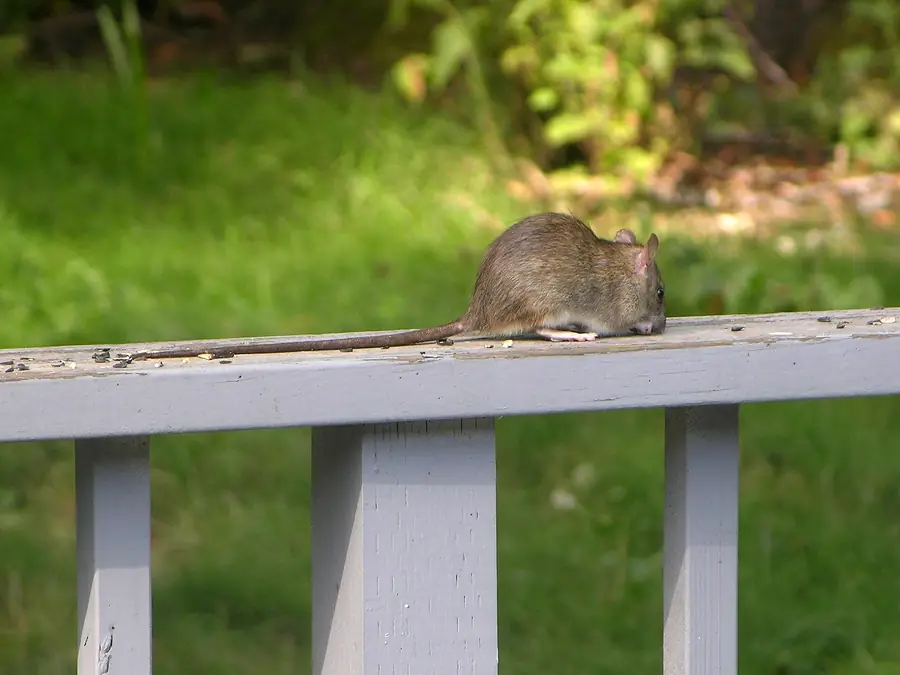
The rat most New Orleans homes actually get
Ask someone to picture a rat and they picture a Norway rat: big, brown, blunt-nosed, in an alley. The rat in most New Orleans attics is the other one. Rattus rattus, the roof rat, also called the black rat. Slimmer, darker, bigger ears and eyes, and a tail longer than its head and body put together.
It is built to climb, and it prefers to live above ground. In a warm coastal city with heavy tree canopy and a lot of old wood-frame housing, that turns out to be a very good strategy.
How they get onto the roof
Live oak limbs are the classic route. An oak that reaches over the roof gives a roof rat a covered path from the trunk to your ridge without ever touching the ground. Palms are almost as good, and an old palm with a heavy skirt of dead fronds is a nest site in its own right. Banana clumps against a wall, ivy, confederate jasmine and any heavy vine growth all work as ladders.
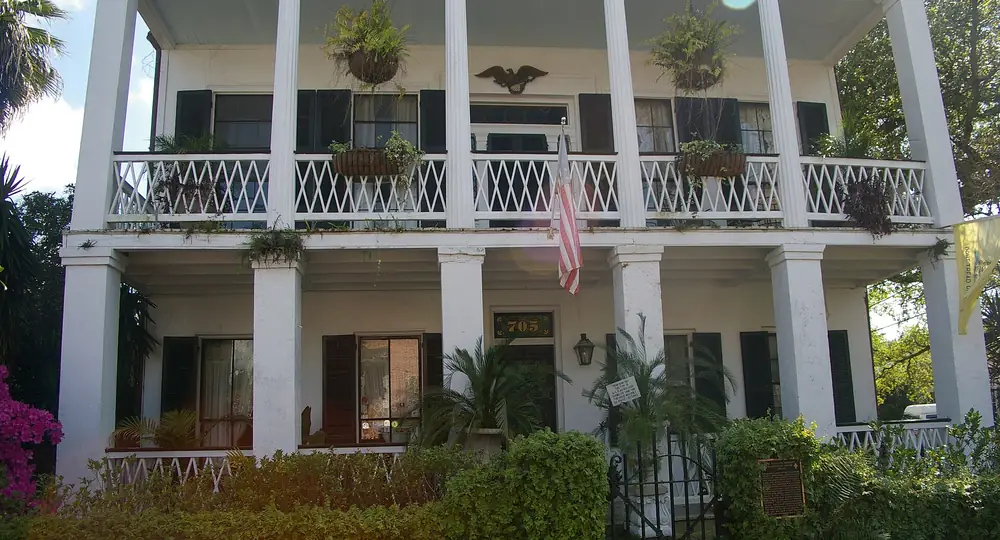
Then there is the built environment. Overhead cable and power lines run building to building, and a roof rat walks them comfortably. Galleries, balconies, porch roofs and carport roofs step a rat up the side of a building in stages. Fences that run into an eave do the same.
How they get inside
They test the roofline until something gives. On older New Orleans housing that is usually where soffit meets fascia, because a century of heat and damp separates the boards. Gable vents lose their screens. Turbine and ridge vents open up. The junction where a rear addition roof meets the main wall almost always has a gap behind the flashing.
The opening does not have to be large. A gap about the width of a quarter is enough, and once a rat is working an opening it will gnaw it wider. Formosan termite damage in the fascia and rafter tails makes that easier still.
What they do once they are in
They nest in the insulation, usually toward the eaves where it is deepest, and they run the same routes along the top plates and rafters every night. They gnaw constantly, because their incisors never stop growing. Electrical wiring is the one that matters: chewed insulation on a live wire in a hot attic is a real fire risk.
They also foul the space. Droppings and urine soak into the insulation, and the smell carries into the house in humid weather. That contamination is also what draws the next rat in after the first one is gone, which is why cleanup is part of the fix.
Why there is no off season here
In a cold-winter city, a hard freeze cuts the outdoor rodent population back every year and the pressure resets. New Orleans does not get that. Winters stay mild enough that roof rats breed through the year, so the population outside your house never really drops.
The practical consequence: clearing your attic is a temporary result unless the building is sealed. There will be more rats in the neighborhood next month, and they will find the same gap.
Keeping them off the building
Cut limbs back so nothing overhangs or touches the roof, and keep a clear gap. Take ivy and vines off the walls. Clean the dead skirt off old palms. Then seal the roofline properly with metal and hardware cloth, because trimming alone leaves the cable lines, the fences and the gallery roofs.
If they are already in the attic, they have to be trapped out first. Sealing an occupied attic just traps them inside with your wiring. Call 504-395-3296 and start with the inspection.
Related reading
- How to Get Rid of Rats in New Orleans
- Rat Exterminator Cost in New Orleans
- For the authoritative public-health view on rodent-borne illness, see the CDC rodent health guidance.
Talk to someone about it
Get a rat problem looked at today
Describe what you are hearing and where you are hearing it. You get upfront pricing and no obligation before any work starts.
504-395-3296Help available day or night. Serving New Orleans, Metairie, Kenner, Gretna, Chalmette and the surrounding parishes.