Prevention and exclusion
Rat Prevention and Exclusion in New Orleans, LA
Sealing the gaps rats use to get in, from the roofline down to the pier space, so the problem does not repeat.
Exclusion is the part that makes rat control permanent. Trapping clears the rats that are already inside. Sealing the building is what keeps the next ones out. In New Orleans that means treating the roofline and the pier space as two separate fronts, because roof rats and Norway rats arrive from opposite directions.
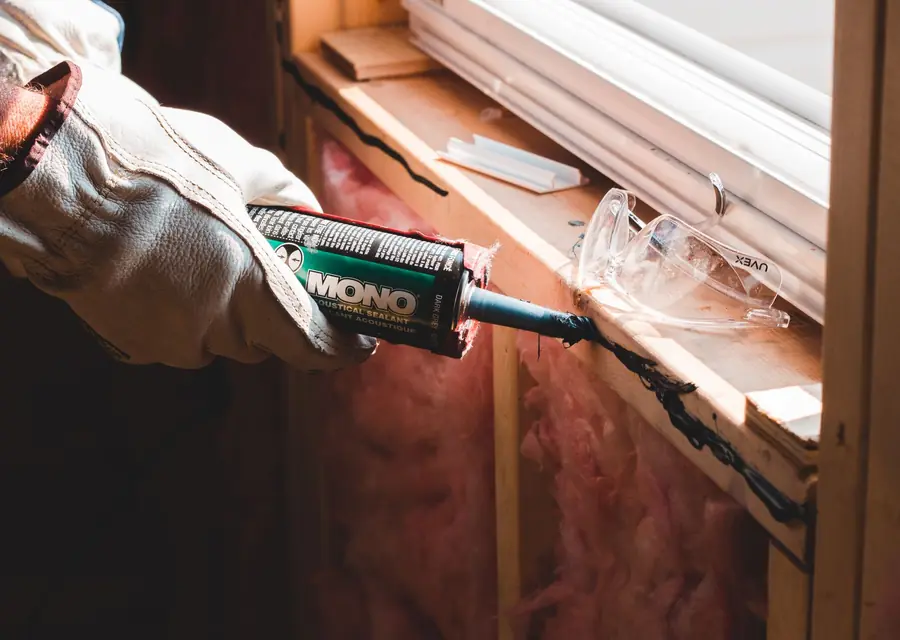
Where rats get into a New Orleans house
Start at the top. Soffit and fascia joints on an older house pull apart as the wood moves, and a roof rat only needs a gap the size of a quarter. Gable vents lose their screens. Where a lower roof meets a wall, there is almost always a gap behind the flashing. Attic turbines and ridge vents open up. Anywhere a limb, a cable or a gallery post touches the building is a ladder.
Then the bottom. Raised houses on brick piers give Norway rats a covered, dry, ready-made run under the floor. Lattice skirting keeps out dogs, not rats. From there they come up where the plumbing and gas lines pass through the floor, around the tub trap, behind the dishwasher, under the kitchen sink.
Then everything in between. Gaps around AC line sets, dryer vents with broken flaps, weep holes, rotted door thresholds, and old brick that has lost its mortar. Formosan termite damage matters here too. Wood that termites have hollowed gives a rat an easy chew.
What a proper exclusion job includes
Materials that rats cannot chew, fitted so they stay fitted. Galvanized hardware cloth over vents and open pier bays. Metal flashing and sheet metal at soffit and fascia joints. Copper mesh packed into pipe penetrations and then sealed. Door sweeps and thresholds replaced where they have worn through. Foam alone is not exclusion, and neither is caulk on its own. Both get chewed.
The technician also cuts the access. Tree limbs pulled back from the roof, ivy and heavy vine growth off the walls, and firewood or debris moved away from the foundation. In this city that usually means the live oak or the banana clump on the side of the house, which is the single most common bridge a roof rat uses.
Why prevention matters more here than most cities
New Orleans does not get a freeze hard enough or long enough to knock the rat population down. They breed through the year, so there is no winter reset and no quiet season. Add a dense mix of old housing, restaurants, a large storm drain and catch basin network, and heavy rain that pushes rats out of the ground and toward buildings, and an unsealed house will be found again. Sealing is the only part of the job that changes the odds for good.
A walk around a typical New Orleans house
Start at the roof. Ridge and turbine vents, gable vents and their screens, the soffit and fascia line the whole way round, and every point where a lower roof, a gallery or a carport meets a wall. On a house with a rear addition, that junction is the usual failure.
Come down the walls. AC line set penetrations, the dryer vent and its flap, weep holes in brick veneer, window AC sleeves, and any point where a cable or conduit enters. Then the doors: thresholds and sweeps that have worn through, and on slab houses the bottom corners of the garage door, which almost never seal.
Finish underneath. On a raised house that means every pier bay, the skirting or lattice, foundation vents, and each pipe, gas line and electrical run that passes up through the floor. On a slab house it means the slab edge itself, where a Norway rat will burrow down and in.
What you can keep on top of yourself
Trim so nothing overhangs or touches the roof, and keep a real gap rather than a token one. Take ivy and jasmine off the walls. Clean the dead skirt off old palms, which is a nest site in its own right. Keep firewood, building materials and stacked pots away from the foundation.
Manage the food and water. Trash cans with lids that actually close. Fallen fruit picked up. Pet food inside and bowls up overnight. Bird feeders are a genuine rat magnet, so if you have a problem, take them down until it is over. Fix dripping outdoor taps and anything holding standing water, because a rat needs to drink daily.
Then look at your neighbors honestly. An overgrown lot, an unmaintained building or a badly kept trash enclosure next door will keep a population fed no matter what you do. You cannot fix that, which is exactly why sealing your own envelope is the part worth paying for.
Questions we get
Rat Prevention & Exclusion questions
What is rodent exclusion?
Exclusion is sealing every opening a rat can use to get into a building, using materials they cannot chew through, such as galvanized hardware cloth, sheet metal and copper mesh. It is different from trapping. Trapping removes the rats inside. Exclusion stops new ones getting in.
Can I seal the house myself?
You can close obvious gaps, and cutting tree limbs back from the roof helps a lot. The parts that go wrong are the ones you cannot see from the ground: soffit and fascia joints, the space behind roof flashing and the full run of the pier space. Those need someone who can get into the attic and under the house.
How small a gap can a rat get through?
A roof rat gets through a gap about the size of a quarter, and a house mouse through one about the size of a dime. If a pencil fits in the opening, treat it as an entry point.

Talk to someone about it
Get rat prevention & exclusion in New Orleans
Describe what you are hearing and where you are hearing it. You get upfront pricing and no obligation before any work starts.
504-395-3296Help available day or night. Serving New Orleans, Metairie, Kenner, Gretna, Chalmette and the surrounding parishes.