Trapping
Rat Trapping Services in New Orleans, LA
Traps placed where rats actually travel, then checked and reset on a schedule until the building goes quiet.
Trapping is how rats physically leave your building. It sounds simple and it mostly comes down to one thing: placement. A trap on an active runway catches within a night or two. The same trap four feet away, out in the open, catches nothing at all.
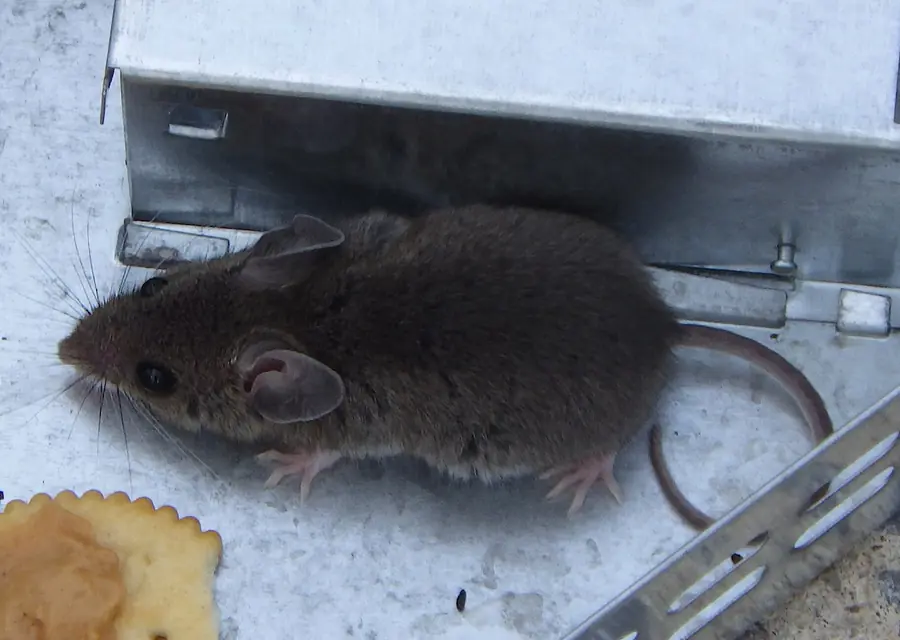
Why placement beats bait
Rats are neophobic, which means they are suspicious of anything new in a space they know. They also travel with their whiskers and flank against a solid surface rather than crossing open floor. So traps go tight against walls, along rafters and top plates, on joists in the pier space, and behind appliances, with the trigger facing the wall.
Bait matters less than most people expect. Peanut butter, dried fruit or nesting material all work. What actually decides the outcome is whether the trap sits on a route the rats are already using, which is why the inspection comes first and the technician follows the rub marks and droppings rather than a hunch.
What gets used and where
Snap traps remain the most reliable tool for rats indoors and are quick when set correctly. Multi-catch and live traps have their place, particularly in occupied spaces and commercial kitchens. Tamper-resistant exterior bait stations may be used outside along a fence line or near a burrow, secured and out of reach of pets and children.
Glue boards are a poor choice for rats. They rarely hold a full-grown rat, and an animal that drags one into a wall void creates a worse problem than the one you started with.
Follow-up is part of the job
Traps get checked and reset, catches get removed, and the numbers get tracked. A steady catch means the population is still there. A run of empty traps on live runways means it is clearing. A sudden new catch after a quiet week usually means another entry point nobody has sealed. That feedback is the reason follow-up visits matter and why trapping and exclusion get done together.
Why the first week decides the job
The first few nights set the pattern. Traps placed on genuine runways start catching quickly, and that early catch rate is the clearest read available on how big the population is. Traps placed badly catch nothing, and by the time anyone notices, a week has gone and the rats have learned to avoid the devices.
That is why the technician follows the physical evidence rather than guessing. Rub marks, droppings, tracks in dust and worn paths through insulation all show where the animals actually walk. A trap on that line is on a route they will use tonight.
It is also why the number of traps matters. One or two devices against an established population simply cannot keep up with the breeding rate. Going heavy at the start and easing off is far more effective than trickling traps in over a month.
Trapping around a working kitchen or an occupied home
In a house with children or pets, device choice and placement change. Traps go inside tamper-resistant boxes or into spaces that are genuinely inaccessible, such as behind fixed appliances, inside cabinets that stay closed, and in the attic and underfloor space. Nothing is left where a curious hand or nose can reach it.
In a commercial kitchen, the same logic applies with food safety on top. Devices stay off food-contact surfaces and out of prep areas during service, placement gets documented for the health inspector, and service visits are scheduled before open or after close.
If you keep chickens or have an outdoor pet, say so at the inspection. It changes where exterior devices go and whether bait is used at all, and it is much better raised at the start than discovered later.
Why store-bought trapping so often stalls
The usual pattern is two traps from the hardware store, set in the middle of the attic floor or in the open under the sink, baited with cheese, and left for a two weeks. Nothing gets caught, the homeowner concludes the rats are too clever, and the population keeps growing while everyone waits.
Almost all of that is placement. Rats will not cross open floor to reach a trap when they have a wall to run instead, and two devices cannot keep pace with a breeding population. Scale and position are the whole difference, and both come from reading the runways rather than guessing where the rats might go.
The other common failure is stopping too early. A few catches in the first week feels like success, so the traps come out, and the survivors rebuild from a base that is now less competitive and better fed. Trapping is finished when live traps on live runways stay empty, not when the noise stops.
Questions we get
Rat Trapping questions
How long until the traps catch something?
On an active runway, often within the first night or two. Rats are cautious about new objects though, so it is normal for the first catch to take a few days while they get used to the trap being there.
What is the best bait for rat traps?
Peanut butter, dried fruit and nesting material such as cotton all work well. Bait choice matters far less than where the trap sits. A well-placed trap with plain peanut butter beats a badly placed one with anything.
Are snap traps or poison better?
Trapping is generally preferred inside a home because you recover the rat rather than leaving it to die in a wall void and smell for weeks. Exterior tamper-resistant bait stations have their place around the outside of a building where the situation calls for them.

Talk to someone about it
Get rat trapping in New Orleans
Describe what you are hearing and where you are hearing it. You get upfront pricing and no obligation before any work starts.
504-395-3296Help available day or night. Serving New Orleans, Metairie, Kenner, Gretna, Chalmette and the surrounding parishes.