Rat removal
Rat Removal Services in New Orleans, LA
Trapping and removal for an active rat problem, from the first inspection through the last check of the traps.
Rat removal in New Orleans starts with finding out which rat you have and how it is getting in. Roof rats and Norway rats behave nothing alike, and a trap in the wrong place catches nothing for a week while the problem grows. Call 504-395-3296 and an experienced local exterminator will walk the attic, the crawl space and the roofline before setting anything.
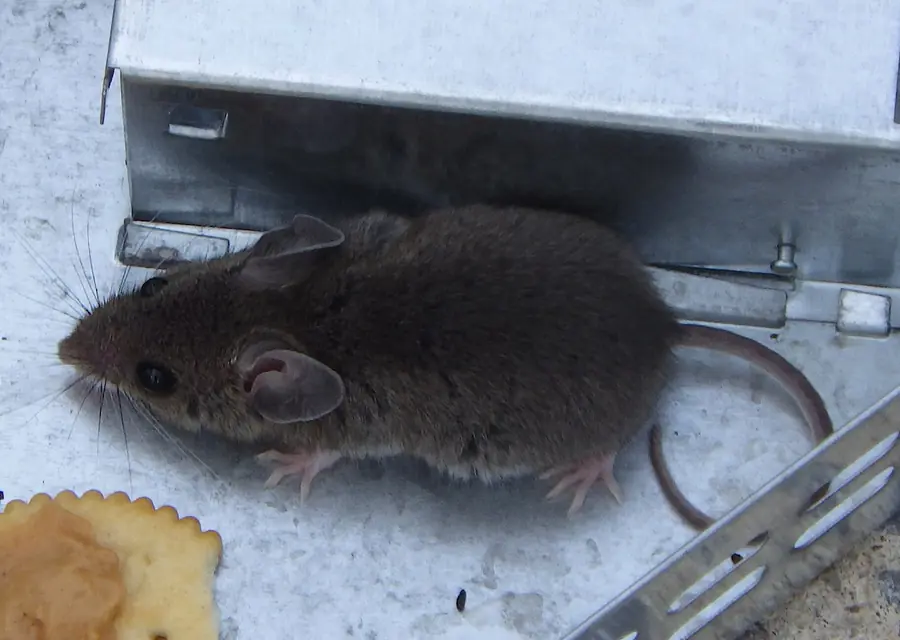
Which rat is in your New Orleans home
Two rats account for nearly every call in Orleans Parish, and they live in opposite halves of the house. The roof rat is the slim, dark one with a tail longer than its body. It climbs. Live oak limbs, banana trees, palm fronds, cable lines and the corner of a gallery roof all put it on your soffit, and from there it only needs a gap the width of a quarter.
The Norway rat is heavier, browner and blunt-nosed, and it works from the ground up. It burrows along foundations, moves through the storm drains and catch basins, and pushes into the open pier space under a raised house. In a shotgun double on brick piers, it does not even have to dig. The space is already there.
House mice turn up in the same buildings, usually in kitchens and wall voids, and a mouse problem gets mistaken for a rat problem more often than you would think. The droppings tell you quickly, and so does the sound. Mice scurry. Rats thump.
How rat removal actually works
Here is the sequence. First an inspection: attic, crawl space or pier space, kitchen, laundry, water heater closet, and the whole roofline from the outside. The technician is reading rub marks, droppings, gnaw damage and grease trails, because those tell you the runway the rats are already using.
Then traps go on the runway, not in the middle of the room. Rats hug walls and beams and avoid open floor, so placement is most of the job. Bait stations may go outside along the fence line or near a burrow, tamper-resistant and out of reach of pets.
Then the follow-up. Traps get checked and reset, the catch gets removed, and the count tells the technician whether the population is dropping or whether there is a second entry point nobody found yet. Removal without sealing the building is a rental agreement, not a fix, which is why exclusion comes next.
What removal costs in New Orleans
Pricing depends on the size of the building, how long the problem has run and whether the work includes sealing entry points or cleaning a contaminated attic. A single-story shotgun with one entry gap is a different job from a raised Uptown double with rats in both the attic and the pier space. Ask for the number before any work starts. You get upfront pricing and no obligation, and you can read the full breakdown in our guide to rat exterminator cost in New Orleans.
What you can do before the technician arrives
Write down what you have heard and when. Time of night, which room, whether it is overhead or underfoot, and whether it has moved. That timeline is genuinely useful, because it separates a roof rat working a single attic run from a population that has spread through the building.
Take a photo of any droppings you find and leave them where they are. Size and shape identify the species, and freshness tells the technician whether the activity is current. Sweeping them up before the inspection removes the best evidence in the house.
Get food out of reach. Anything in cardboard or a bag goes into sealed containers, pet food included, and pet bowls come up at night. Rats that are eating well are slower to take a trap, so cutting the food supply makes the trapping work faster.
How you know the removal is working
The catch curve tells the story. Early on, traps fill quickly because the easiest animals go first. Then the rate slows as the wary ones are left. Then it stops. That last stage is the one that matters, and it needs live traps on live runways to mean anything, which is why the technician keeps checking rather than pulling everything out early.
Noise is a secondary signal and a lagging one. A quiet week is encouraging, and it is not proof, because rats shift routes when a section of the attic gets disturbed. Fresh droppings on a cleaned surface, or a new grease mark, are more reliable than what you can hear.
The final check is the building itself. Once the traps go quiet and the openings are sealed, a walk of the roofline and the pier space confirms nothing has been reopened. In New Orleans that check is worth repeating after a big storm, since wind damage opens soffits and vents that were sound the week before.
Questions we get
Rat Removal questions
How long does rat removal take in New Orleans?
Most homes need more than one visit. Trapping usually runs over one to three weeks depending on how many rats are in the building and how fast they take the traps. A light roof rat problem caught early can close out much sooner. Sealing the entry points is what stops it coming back.
Do I have to leave the house during rat removal?
No. Trapping and exclusion work happen in the attic, the pier space and around the outside of the building, so you can stay home and go about your day. If any rodenticide is used, the technician will tell you where it is and how to keep pets and children away from it.
Will the rats come back after they are removed?
They will if the openings are still there. New Orleans has a steady outdoor rat population and no hard winter to knock it back, so an unsealed house gets found again. Removal plus exclusion is what makes the fix hold.
Talk to someone about it
Get rat removal in New Orleans
Describe what you are hearing and where you are hearing it. You get upfront pricing and no obligation before any work starts.
504-395-3296Help available day or night. Serving New Orleans, Metairie, Kenner, Gretna, Chalmette and the surrounding parishes.