Roof rats
Roof Rat Control in New Orleans, LA
The climbing rat that gets into New Orleans attics from tree limbs, palms and power lines. Handled from the roofline down.
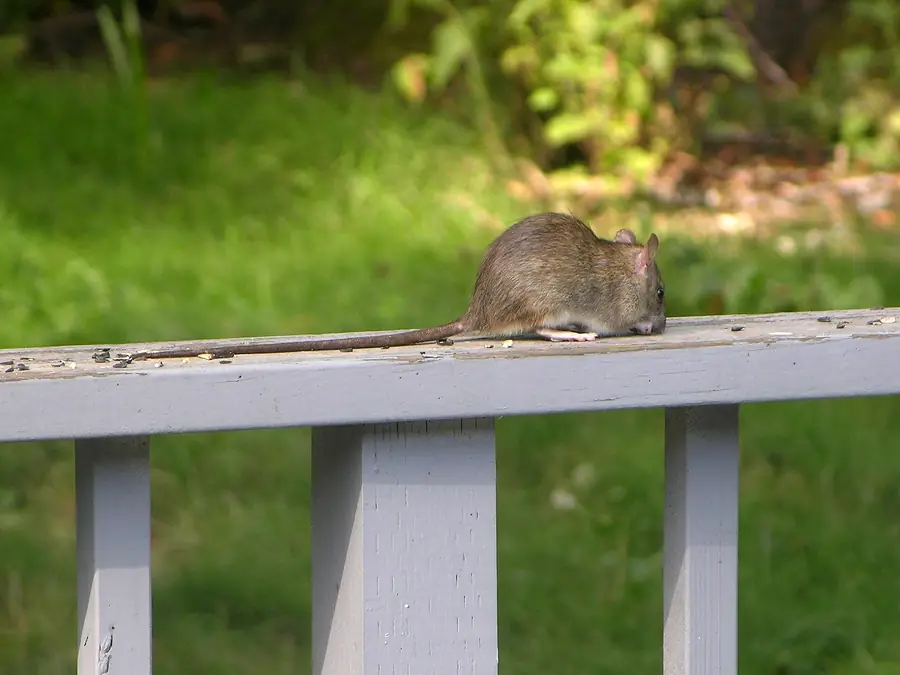
The roof rat is the rat most New Orleans homeowners actually have. It is slim and dark with a tail longer than its head and body together, it is a superb climber, and it lives above you rather than below you. If the noise is overhead after dark, start here.
Why roof rats do so well in New Orleans
This city gives a climbing rat everything it wants. Mature live oaks with limbs reaching over rooflines. Palms, banana clumps and heavy vine growth against walls. Overhead utility and cable lines running building to building. Galleries, balconies and porch roofs that step a rat up to the main roof in stages. Add old wood that has moved and separated at the soffit, and the route in is short.
Then there is the climate. Winters here do not run cold enough or long enough to cut the population back, so roof rats breed year round and the number outside your house never really drops. That is why an attic that has been cleared once gets reoccupied if the gaps are still open.
What roof rats do once they are in the attic
They nest in insulation, usually toward the eaves, and they run the same routes along the top plates and rafters every night. They gnaw. Electrical wiring is the one that matters most, because chewed insulation on a live wire in an attic is a genuine fire risk. They also chew into ductwork and soffit boards and widen the hole they came in through.
You will usually hear them between dusk and a few hours after. Scratching and scrabbling overhead, sometimes a heavier thump when one drops from a rafter. Daytime noise generally means a larger population than the owner thinks.
How roof rat control is done
The roofline gets inspected first, from outside and from inside the attic. Then the climbing routes get cut: limbs pulled back from the roof, ivy and vines taken off the walls, palm skirts cleaned up where they touch the structure. Then the openings get sealed with metal and hardware cloth, working from the top down. Then traps go on the runways in the attic, and get checked until the count goes to zero.
Last is the attic itself. Nesting material, droppings and contaminated insulation come out, because the scent left behind is an invitation to the next rat. That work is covered on our attic rat cleanup page.
Is it a rat, a squirrel or something else?
Timing separates most of them. Squirrels are daytime animals and you hear them in the morning and late afternoon, often with a rolling or dragging sound. Roof rats are night animals, active from dusk through the small hours, and the sound is lighter and faster. If your attic goes quiet at sunset and busy at sunrise, you are probably not dealing with rats.
Weight helps too. Raccoons and opossums are heavy and slow and you hear thumps rather than scrabbling. Birds are seasonal, concentrated near a vent or eave, and usually come with chirping.
This matters because the treatments are not interchangeable. Squirrels need a one-way exclusion door and careful timing around a litter. Raccoons are a wildlife matter with its own rules. Setting rat traps for either is a waste of two weeks, which is why the species gets confirmed at the inspection.
The trees that cause the most trouble here
Live oaks are the main one, because they are everywhere in this city and their limbs run long and horizontal at exactly roof height. A single limb over a roof is a permanent covered bridge for a roof rat, and cutting that one limb often does more than anything else on the property.
Palms are the second. An untrimmed palm holds a thick skirt of dead fronds that rats will nest in directly, and the trunk is easy to climb. Banana clumps against a wall do a similar job at a lower height and grow back fast.
Then the things people forget. Confederate jasmine and ivy on a wall. Bougainvillea on a fence that runs to the eave. A satsuma or fig dropping fruit near the house. Overhead cable and power lines, which cannot be trimmed and are the reason sealing the roofline still matters after every branch is cut.
Questions we get
Roof Rat Control questions
How do I know if I have roof rats and not Norway rats?
Location and build. Roof rats are slim and dark with a tail longer than their head and body combined, and they live high: attics, soffits, upper walls, tree canopy. Norway rats are heavier, browner and blunt-nosed, and they stay low: pier spaces, burrows along the foundation, drains.
Why do I only hear them at night?
Roof rats are most active from dusk through the first few hours of darkness, which is when they leave the nest to feed. Hearing them during the day usually means the population has grown large enough that they are competing for food and space.
Will cutting my tree branches back solve the problem?
It helps, and it is one of the highest-value things you can do, but on its own it rarely finishes the job. Roof rats also use cable lines, fences, vines and gallery roofs to reach the building, and any rats already in the attic have to be trapped out.

Talk to someone about it
Get roof rat control in New Orleans
Describe what you are hearing and where you are hearing it. You get upfront pricing and no obligation before any work starts.
504-395-3296Help available day or night. Serving New Orleans, Metairie, Kenner, Gretna, Chalmette and the surrounding parishes.