Commercial
Commercial Rat Control in New Orleans, LA
Restaurants, bars, kitchens, corner stores and offices, handled discreetly and documented for your health inspection.
A rat problem in a New Orleans restaurant or bar is a business problem before it is a pest problem. It threatens your health inspection, your reputation and your product, and in a city this dense the pressure never really lets up. Call 504-395-3296 and get it handled quietly.
Why commercial buildings here take constant pressure
Density is the issue. In the French Quarter, on Magazine, along Freret and in the CBD, buildings share walls, share alleys and share a service lane where the trash goes. A rat problem in one building is a rat problem for the block, and sealing your own building is only half the fight when the restaurant next door is feeding the same population.
Then there is the food supply. Kitchen waste, grease, spilled grain behind the bar and an overnight street that leaves food on the ground all support far more rats than a residential block does. Add the storm drain and catch basin network running underneath and you have a permanent nearby population testing your building every night.
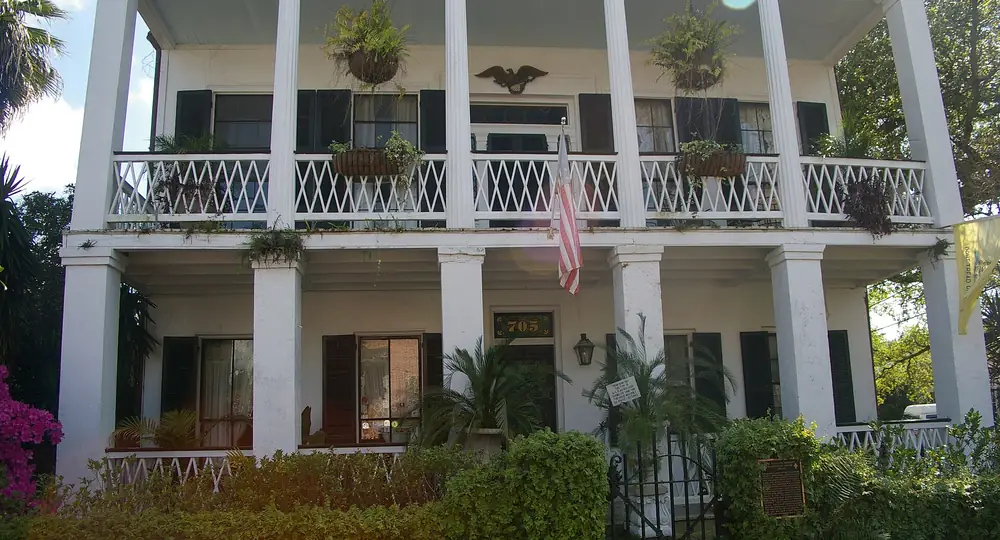
Old buildings do the rest. Historic brick with failed mortar joints, wood that Formosan termites have already worked over, courtyard walls, and service doors that have not sealed properly in years.
How commercial work is handled
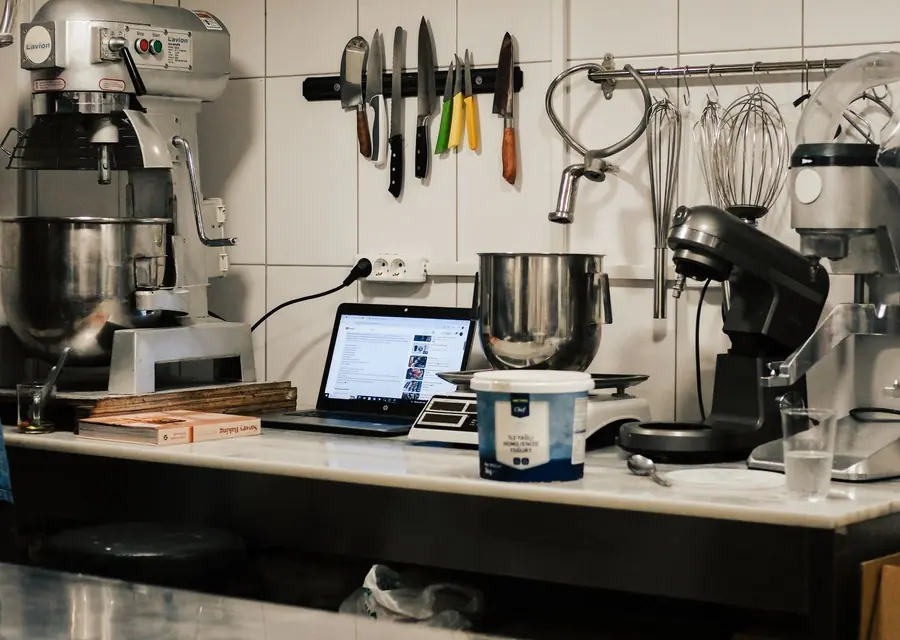
Visits get scheduled around your hours, which usually means before open or after close, and the technician works discreetly. Nobody wants a service van and a clipboard in the dining room at seven on a Friday.
The work covers the kitchen and prep areas, dry and cold storage, the bar, the dish pit, the basement or underfloor if there is one, the roof and roofline, and the exterior including the trash enclosure and service alley. Exclusion focuses on service doors, floor drains, utility penetrations, vents and the roof. Monitoring and trapping go in on a documented schedule.
Documentation matters. A written record of inspections, findings and corrective work is what you want in hand when the health inspector asks, and it shows a pattern of active management rather than a one-off panic call.
What you can control on your side
Tight lids and a clean trash enclosure. Grease and food waste off the ground in the service alley. Product up off the floor and away from walls in dry storage. Deliveries checked, since rodents arrive in pallets and cardboard. Drains kept clear and covered. None of it replaces the treatment, but it decides how hard the treatment has to work.
The health inspection angle
Evidence of rodent activity is one of the findings that moves fastest from a note to a problem, and in a city where inspection results are public, the reputational cost can outrun the operational one. What an inspector generally wants to see is not a spotless building, which nobody has, but a documented, active program.
That means records: dated inspection reports, what was found, what was done about it, where devices are placed and when they were serviced. A binder that shows a pattern of management reads very differently from a single invoice dated the week before the inspection.
It also means fixing the structural findings rather than repeatedly treating the symptom. A gap under a service door that appears in three consecutive reports is a worse look than a rodent sighting, because it shows nothing was acted on.
Shared walls and the block problem
In the Quarter, along Magazine, on Freret and through the CBD, buildings share walls, alleys and service lanes. Rats move between them through common voids and old chases, so a well-run restaurant can stay under pressure purely because of the building next door.
You cannot fix your neighbor, and you can make your building the hard target on the block. Seal the shared wall penetrations you can reach, harden the service door and floor drains, keep the trash enclosure tight and clean, and keep product off the floor in dry storage.
Where several businesses on a block have the same problem, coordinating helps more than anything either of you does alone. It is not always practical, and it is worth raising, because the population is being fed by whichever building is loosest.
Beyond restaurants and bars
Corner stores and groceries take heavy pressure because of open product, cardboard deliveries and back rooms that stay quiet. Deliveries are the underrated route: rodents arrive inside pallets, produce crates and cardboard cases, which is why checking goods in at the door is worth the two minutes it costs.
Offices, clinics and retail get a different version of the problem. There is less food, so activity concentrates around break rooms, vending areas and the trash can store, and it goes unnoticed longer because nobody is in the building overnight. The first sign is usually droppings in a kitchen drawer or a chewed cable under a desk.
Warehouses and storage sites give rodents space and cover in quantity: racking, pallets, and stock that does not move for months. There the work leans hard on the building envelope and on housekeeping discipline, since you are never going to remove the harbourage entirely.
Questions we get
Commercial Rat Control questions
Do you handle restaurants and bars in the French Quarter?
Yes. Restaurants, bars, kitchens, corner stores, offices and retail across New Orleans and the surrounding parishes, including the dense shared-wall buildings of the Quarter and the CBD where the pressure is constant.
Will service disrupt my business?
It is scheduled around your hours, usually before open or after close, and handled discreetly so it does not become something your customers notice.
Can I get documentation for my health inspection?
Yes. A written record of inspections, findings and corrective work can be provided, which is what an inspector is generally looking for as evidence that the problem is being actively managed.
Talk to someone about it
Get commercial rat control in New Orleans
Describe what you are hearing and where you are hearing it. You get upfront pricing and no obligation before any work starts.
504-395-3296Help available day or night. Serving New Orleans, Metairie, Kenner, Gretna, Chalmette and the surrounding parishes.