Under the house
Crawl Space Rat Control in New Orleans, LA
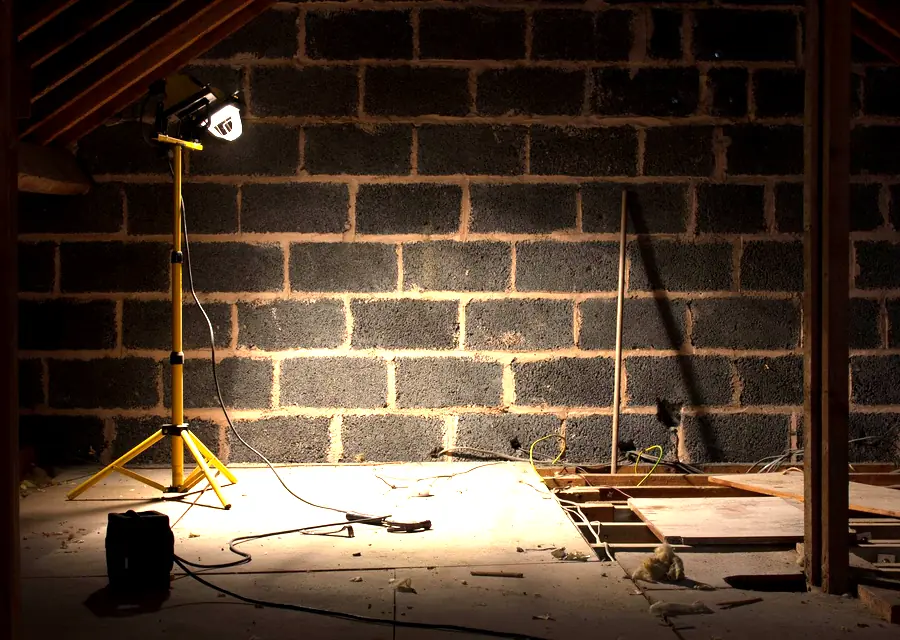
Norway rats living in the open pier space under a raised house, and the floor penetrations they use to come up.
So much of New Orleans sits on brick piers, and the space underneath is close to ideal for a Norway rat. Dry in the rain, shaded in the heat, hidden from view, and connected to the storm drains and the yard. If you are hearing movement under the floor rather than above the ceiling, this is the page.
Why raised houses attract Norway rats
A pier-and-beam house hands a burrowing rat a covered run the full footprint of the building without it having to dig at all. Lattice or wood skirting is decorative. It stops a dog and a curious child, not a rat that can chew softwood and squeeze through a gap the size of a quarter.
Once underneath, the rat has direct access to every point where something passes through the floor. Water supply and drain lines, the tub trap opening, gas lines, electrical runs, and the gaps around the dishwasher and kitchen sink cabinet. That is how a rat under the house becomes a rat in the kitchen.
Drainage is the other half of it. Orleans Parish has an extensive storm drain and catch basin network, and Norway rats use it as a highway. Heavy rain floods those runs and pushes them out and toward the nearest dry cover, which is very often the pier space of the nearest raised house.
What the work involves
The technician gets under the building and inspects it properly: burrow openings along the perimeter, runways in the dirt, droppings, gnaw damage on joists and subfloor, and every floor penetration from below. Insulation hanging between the floor joists gets checked too, because rats nest inside it.
Then sealing. Galvanized hardware cloth over open pier bays, vents and skirting gaps, fitted so it stays put. Copper mesh and sealant at every pipe and line penetration through the floor. Damaged skirting and rotted board replaced rather than patched.
Then trapping on the runways underneath, and follow-up until the catch stops. If nesting material and droppings have built up down there, that gets cleared as well.
Moisture makes it worse
A damp underfloor space is more attractive, not less. It gives rats standing water to drink, and it softens wood so chewing through is easier. It also rots the skirting and framing that were supposed to keep them out. If your pier space stays wet, fixing the drainage is part of fixing the rats.
Reading the space under the house
The ground tells you most of it. Norway rats wear visible runways into dirt and leave burrow openings along the perimeter, usually against the inside of the skirting or beside a pier. Droppings collect along those runs, and grease marks build up where they pass a joist or a pipe.
Then look up from underneath. Insulation hanging between the floor joists gets torn open and nested in, and you can often see exactly which bays are occupied. Gnaw marks on the subfloor around a pipe penetration show where they have been working to get up into the house.
Damp is the other thing to read. Standing water, a leaking supply line or ground that never dries make the space more attractive, not less, and soften the wood so chewing through is easier. If the space is wet, that gets flagged, because fixing the rats without fixing the water is a short-term result.
Skirting, vents and what actually holds
Wood lattice is the most common skirting on raised New Orleans houses and the least effective barrier. The gaps are wide enough on their own, and where they are not, the wood is soft enough to chew. Replacing rotted boards with new lattice repeats the problem in better-looking form.
What holds is galvanized hardware cloth, a heavy mesh fixed behind or in place of the lattice and secured all the way round, including where it meets the ground. Where it is buried or turned outward at the base, burrowing underneath stops being an easy option.
Foundation vents get the same mesh. Access hatches need a solid frame and a latch rather than a board leaned against the opening. And every pipe and line coming up through the floor gets copper mesh packed in and sealed over, because that is the route from the pier space into your kitchen.
What tends to be stored under a raised house
The pier space quietly becomes storage on most raised properties. Lumber offcuts, old fencing, paint tins, garden tools, a spare tire and whatever came out of the last renovation. All of it gives rats cover to nest in and move under, and all of it stops anyone properly inspecting or sealing the space.
Clearing it out is the first practical step, and it usually has to happen before the work can be done at all. Anything worth keeping is better in a sealed trash can above ground level. Anything that has been down there for years is generally not worth keeping.
While it is clear, it is the right moment to look at the ground itself. If the dirt stays damp, if there is standing water after rain, or if a supply line is weeping, that gets addressed alongside the exclusion. Rats need to drink daily, and a wet underfloor space supplies that without them ever leaving the building.
Questions we get
Crawl Space Rat Control questions
How do rats get under a raised house?
Usually through gaps in lattice or wood skirting, open pier bays, damaged vents, or by chewing through softwood at ground level. On many raised houses the space is simply open on one or more sides, so nothing has to be chewed at all.
Can rats get from under the house into the kitchen?
Yes, and it is the most common route in a raised home. They come up around plumbing and gas line penetrations, the tub trap opening, and gaps behind the dishwasher or under the sink cabinet. Sealing those floor penetrations is a core part of the work.
Is lattice skirting enough to keep rats out?
No. Lattice is a visual screen. Rats get through the gaps or chew the softwood. Keeping them out means galvanized hardware cloth fitted behind or in place of the lattice, secured so it cannot be pushed aside.
Talk to someone about it
Get crawl space rat control in New Orleans
Describe what you are hearing and where you are hearing it. You get upfront pricing and no obligation before any work starts.
504-395-3296Help available day or night. Serving New Orleans, Metairie, Kenner, Gretna, Chalmette and the surrounding parishes.